

The mission of SPCA International is simple but vast: to advance the safety and well-being of animals.
The 2017 hurricane season ravaged the islands of Puerto Rico, St. Thomas and St. Martin, among many other communities. Animal welfare organizations in these areas were left without power, food for their animals, stable shelter and proper refrigeration for medication and supplies.
Rebuilding after the hurricanes passed was difficult and expensive. SPCA International reached out to organizations located in these devastated communities to help them rebuild. In Puerto Rico and St. Martin, I Love My Island Dog, El Faro de los Animales, Island Dog Inc. and Amigos de Los Animales received over $50,000 in grants through our Disaster Relief Fund. These grants will help them reconstruct their shelters, provide urgent medical care, and acquire food and clean water for the animals in their care.
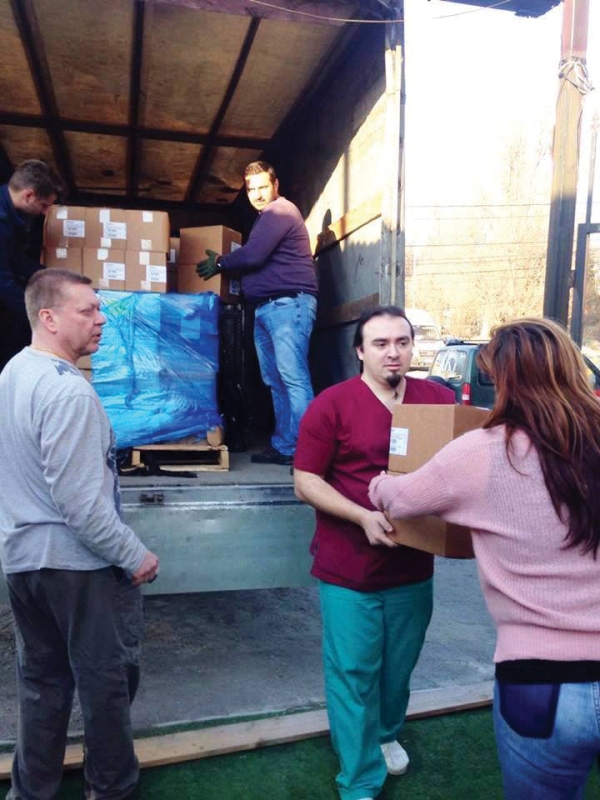
SPCA International was also able to deliver many pallets of veterinary supply aid to St. Thomas Humane Society. These medical supplies will help them care for the animals in their shelter as they continue their life-saving work.
These grants and supply shipments would not have been possible without the support of our loyal donors. Because of them, we are able to help shelters affected by natural disasters continue their essential work for the animals in their communities.
In late 2017 SPCA International also provided Disaster Relief Fund grants to animal welfare organizations located in Florida and Texas in response to the devastation caused by the hurricane season.
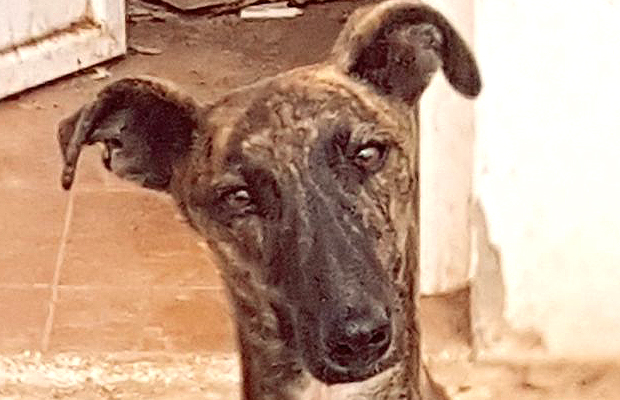
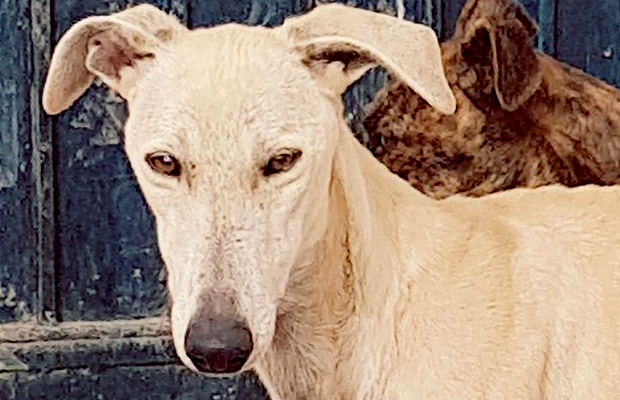
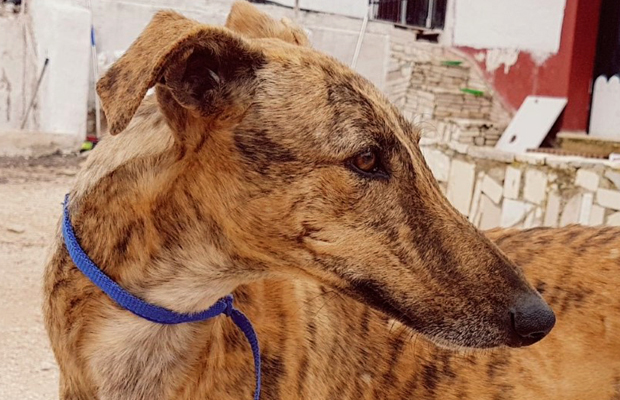
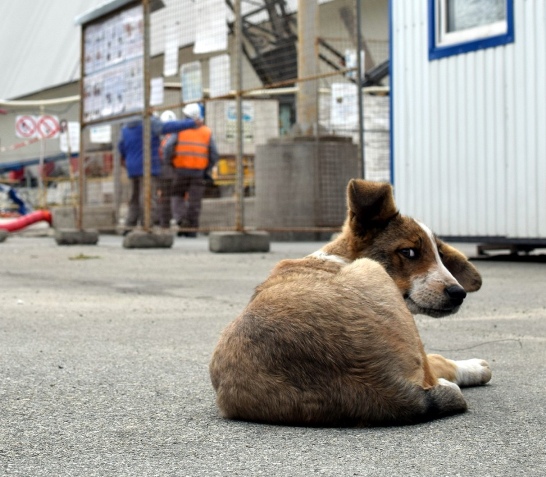
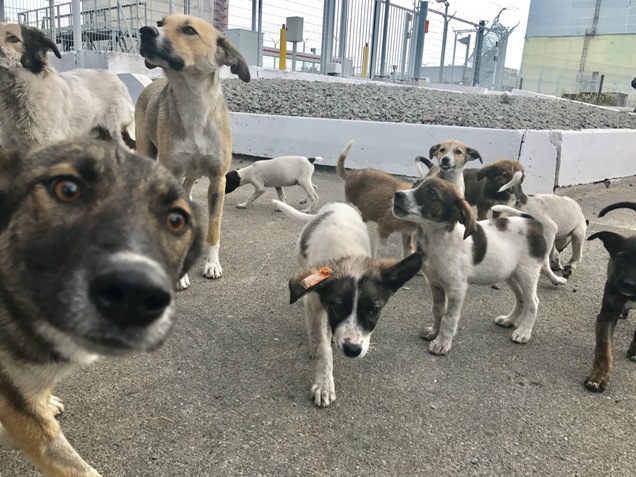
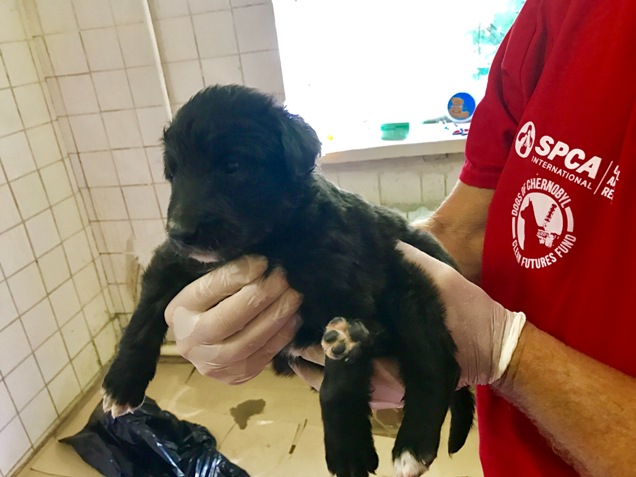
There are over 900 stray dogs that roam the site of the world’s worst nuclear disaster at the Chernobyl Nuclear Power Plant and surrounding 30km area, known as the Exclusion Zone. These dogs are the descendants of pets left behind during the emergency evacuation that took place in April of 1986 after a reactor exploded spreading radioactive materials into the environment.
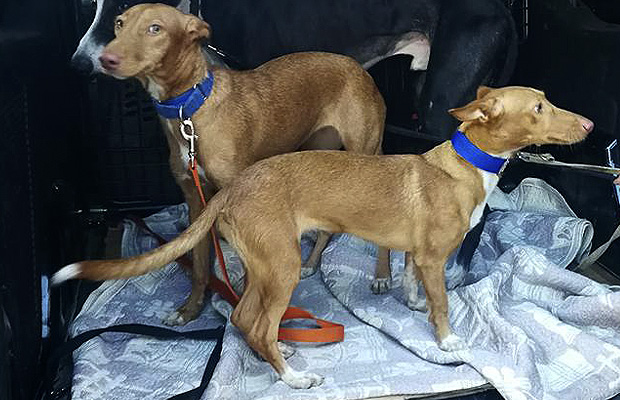
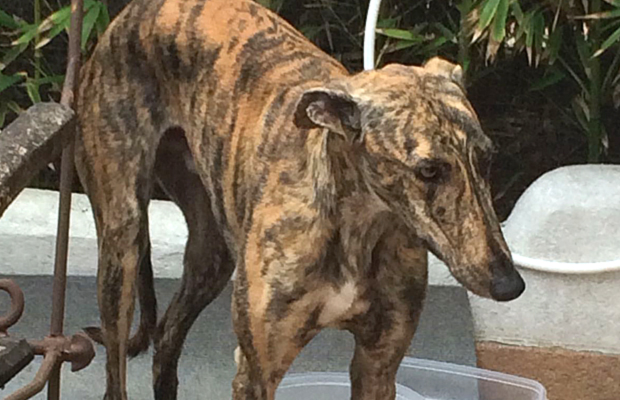
Decades later, the dogs living in the Exclusion Zone are in almost constant danger – starving, at risk of injury or attack by coexisting animals like wolves. Because the Chernobyl dogs are still radioactive, they are prohibited from being removed from the area. But SPCA International and Clean Futures Fund (CFF) are trying to change that. Thanks to our joint efforts and the leadership of CFF’s founders, Lucas Hixson and Erik Kambarian, there is hope for these abandoned, beautiful creatures. SPCAI has partnered up with CFF in a 3-year sterilization program in order to reduce the suffering of dogs in Chernobyl by providing veterinary care, vaccinations, feeding stations, radiation monitoring and hopefully an adoption program.
In fact, co-founder Erik Kambarian and his family were excitedly preparing their home in the U.S. to welcome in one of the first ever adopted dogs of Chernobyl after the August 2017 Chernobyl spay and neuter clinic. Erik’s exact words were: “I found a dog; rather she found me. I was at the tourist hotel in the town of Chernobyl getting water for the clinic and came upon an adolescent female dog. She was docile, with a beautiful coat. Since we were heading to the clinic I picked her up and got in the Soviet-era car for the short ride. She calmly sat in my lap, as if she had been on many car rides, and rested her head on my arm like we had known each other for years. I proudly brought her into the clinic, surprising our staff since I was not one of the dogcatchers.” She was tagged as dog #20, later renamed Elena, spayed and vaccinated, washed for surface contamination and was ready to come ‘home’.
One month after Erik left in August, he asked one of their volunteers to find out how she was doing and make further plans for her arrival, but the volunteer was hesitant to tell him. Sadly, Elena had been hit by a car and killed, an all too common unfortunate reality for the strays of Chernobyl. Even though Erik only got to hold her once, he still thinks about her and is even more driven to continue saving lives and working toward an adoption program in her honor. For now, both Erik and Lucas are hopeful that they will be given permission to bring home another dog on their next visit in April of 2018, a first step in demonstrating the safety of animal adoption from Chernobyl.
But make no mistake; the region is an especially challenging one to work in. The abandoned landscape, forest overgrowth combined with the environmental contamination provides a very unique and dangerous experience for the animals and our team.
Stay tuned for more updates in the next few months as preparations get underway for the Chernobyl spay and neuter next clinic scheduled for June of 2018.

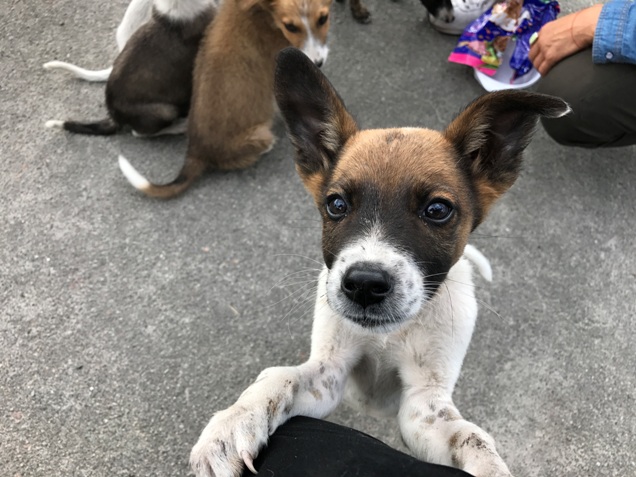
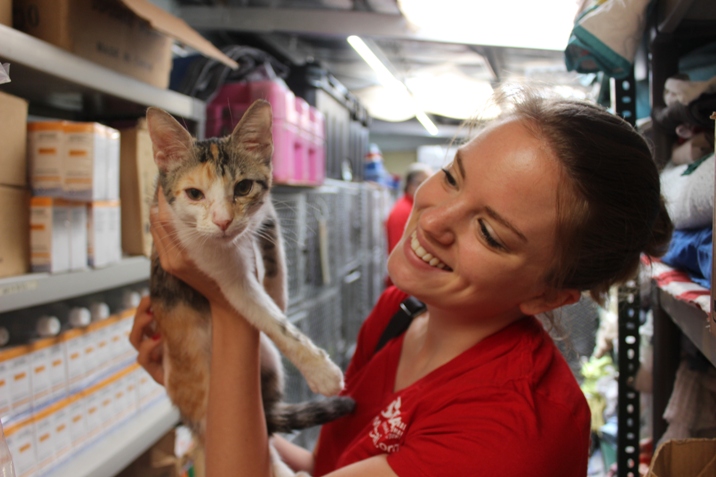
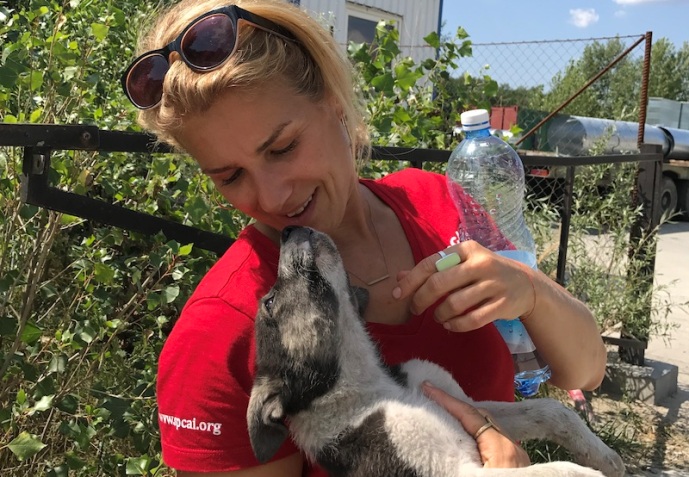
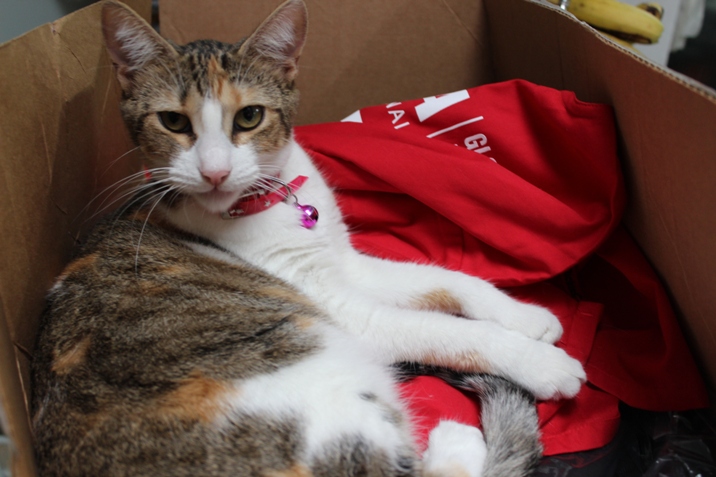
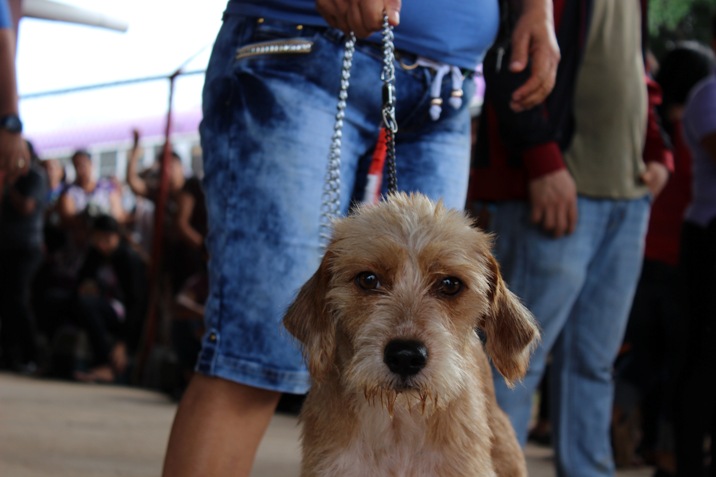
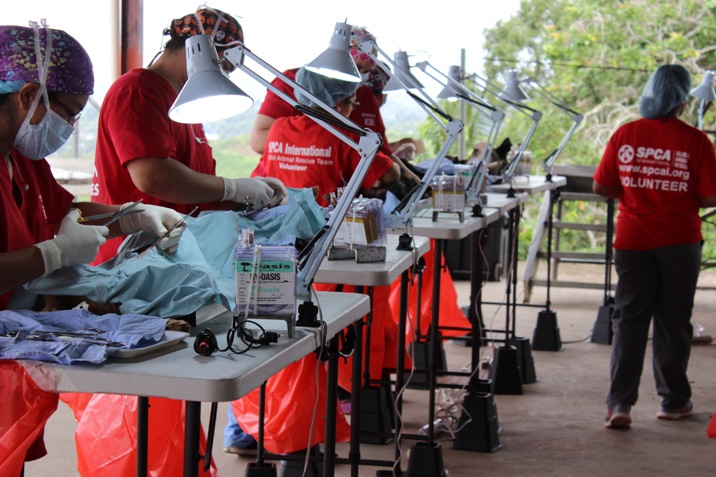
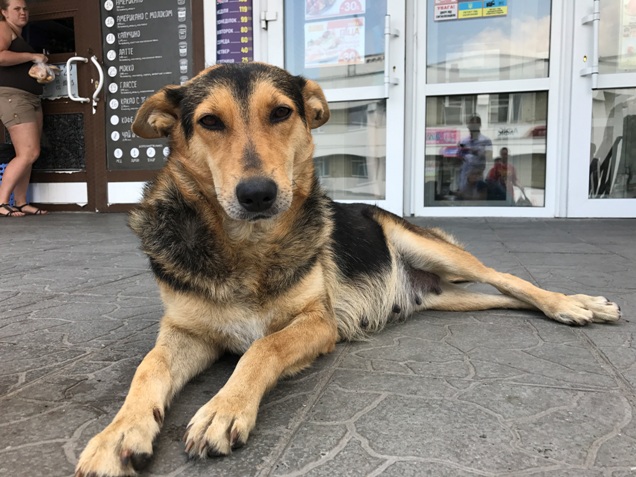
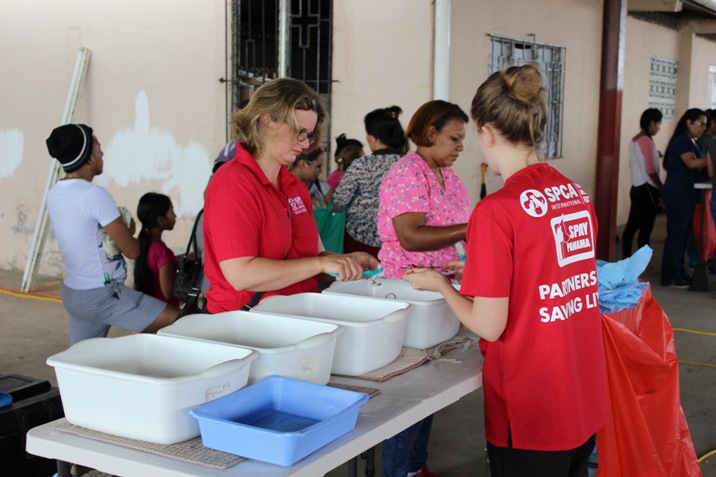
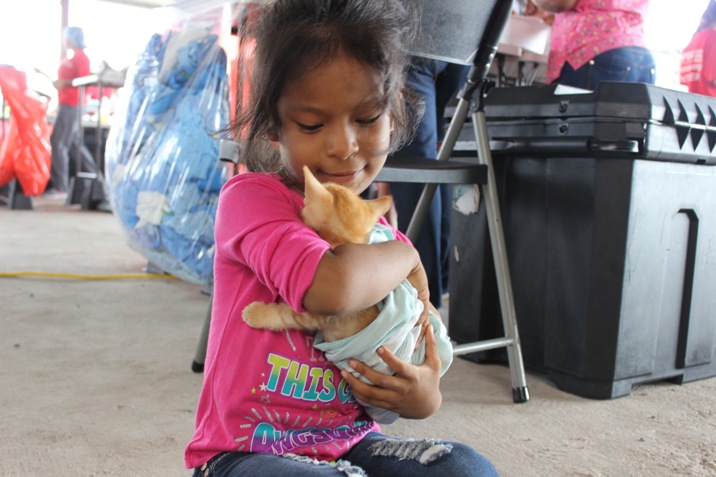
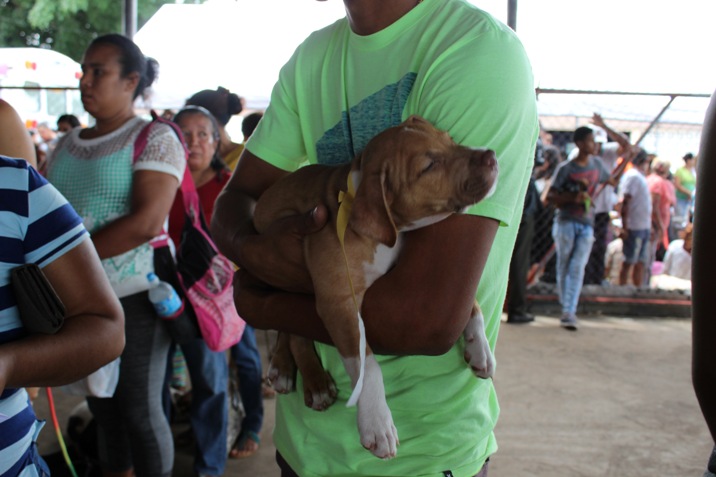
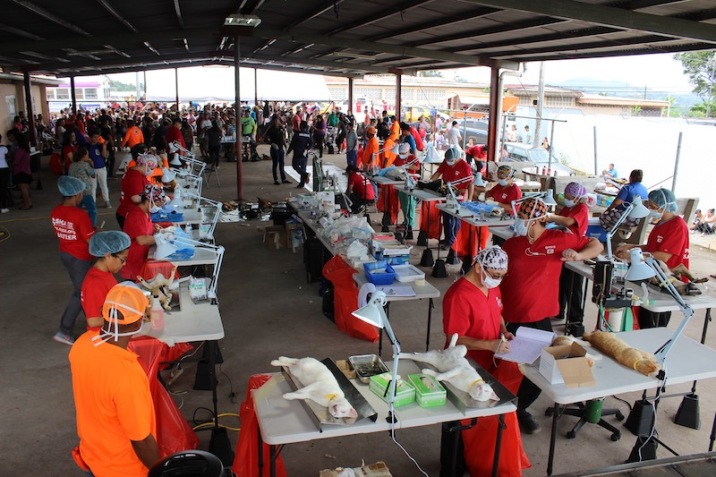
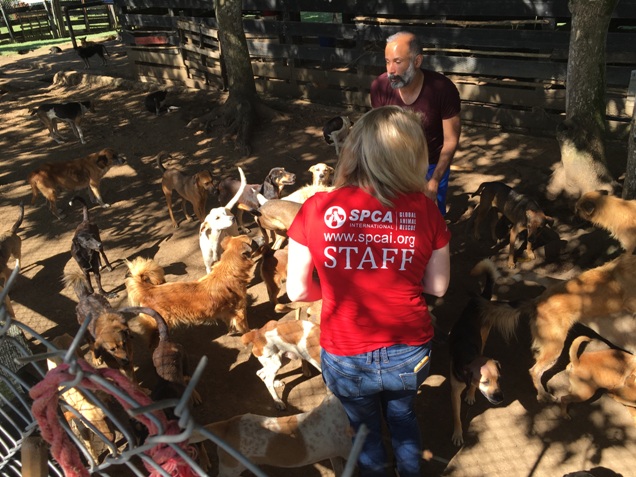
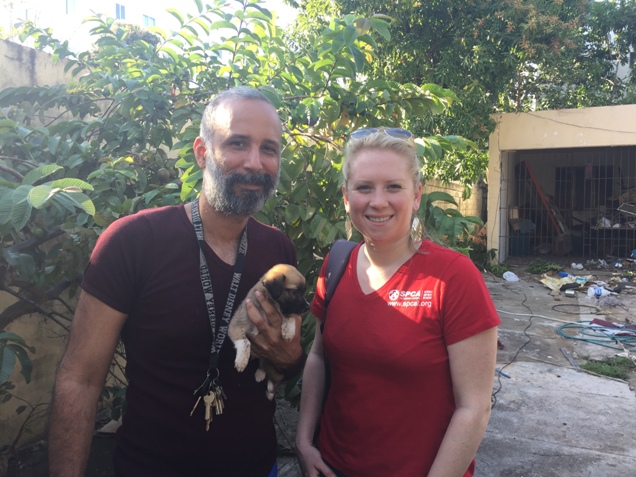
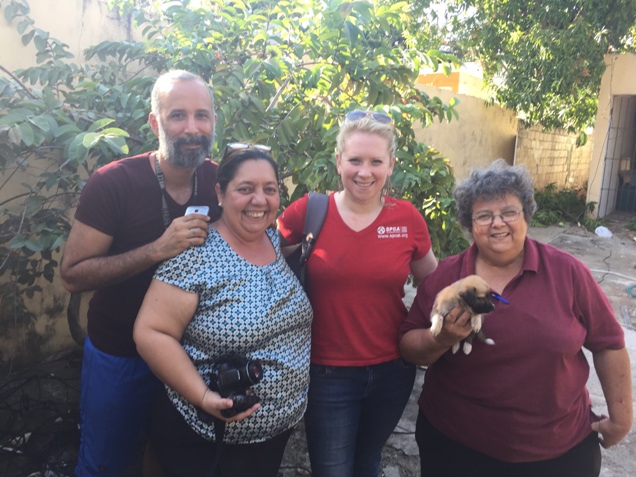
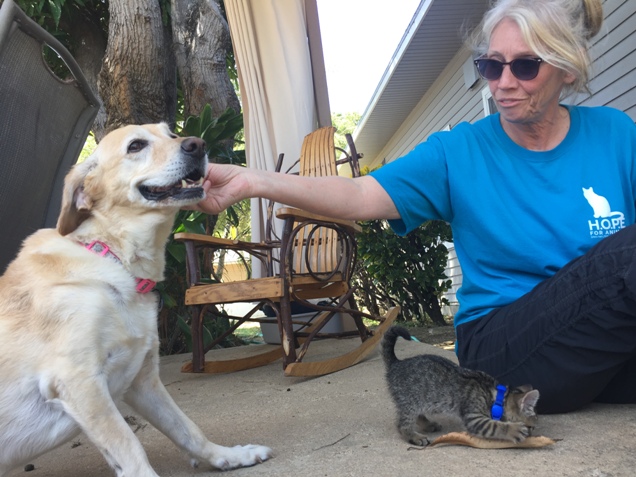
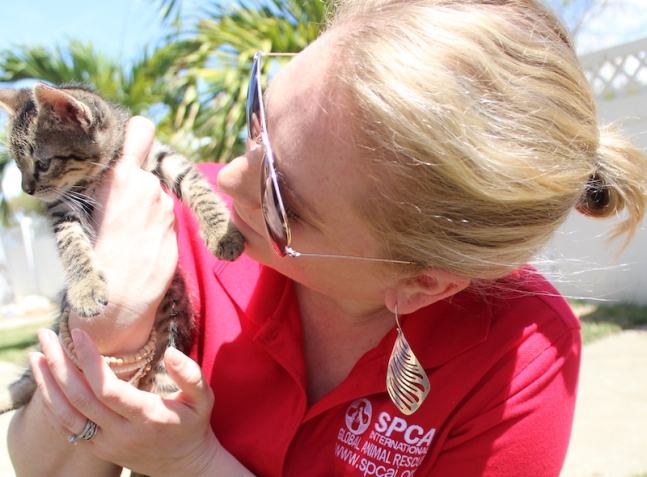
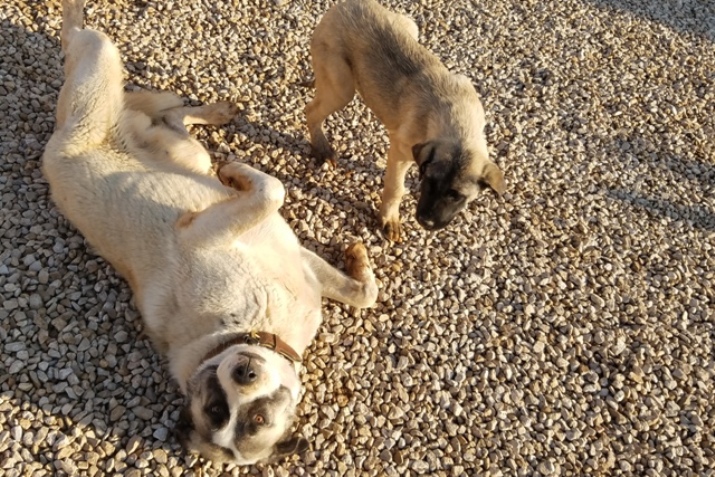
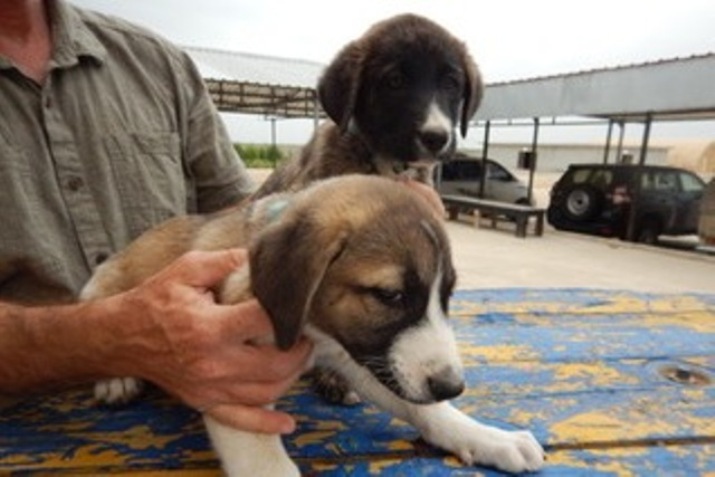
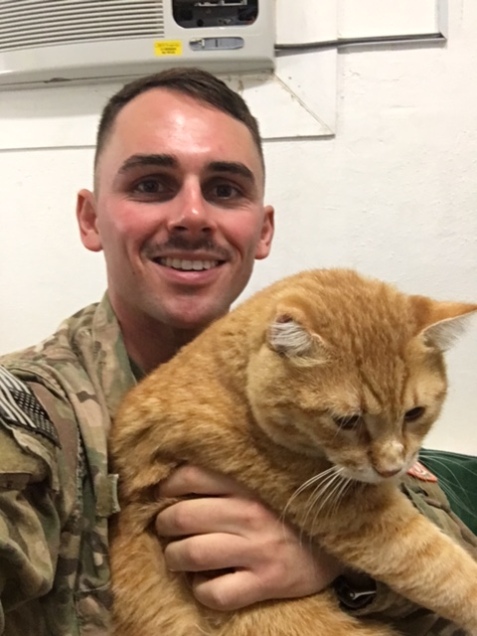
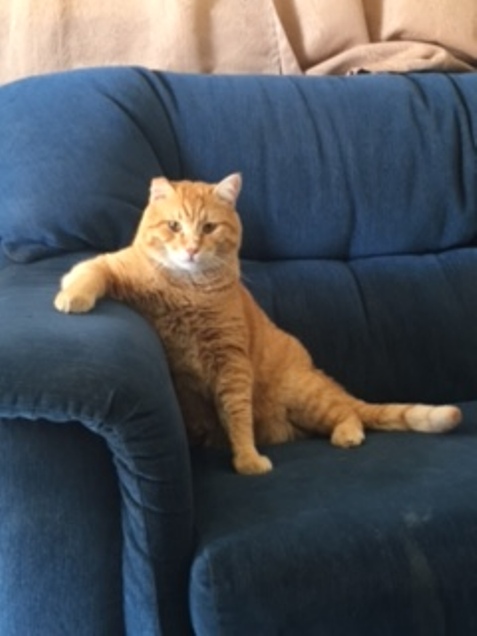
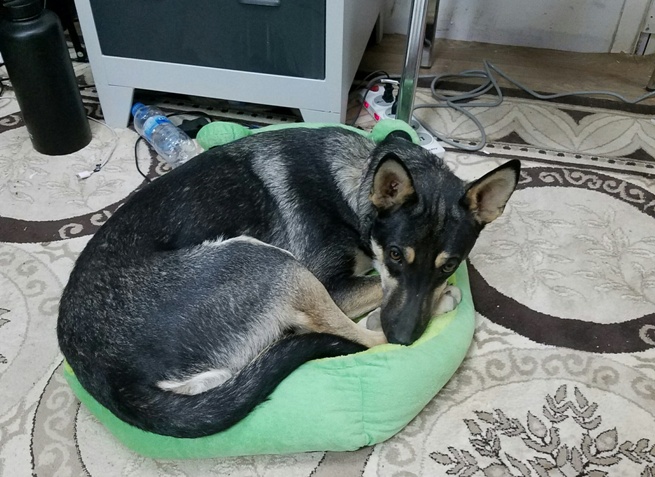
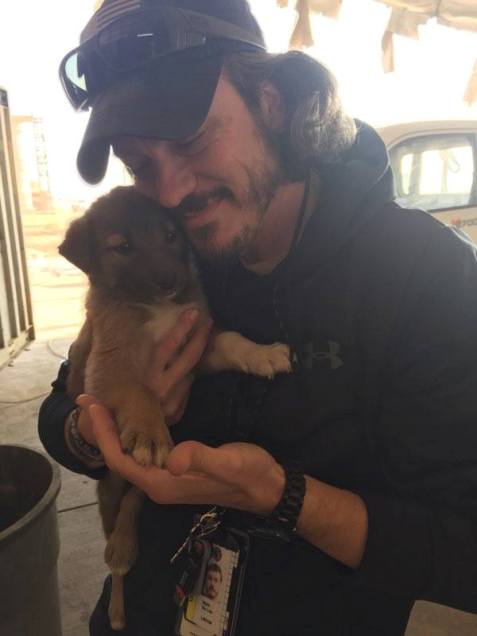
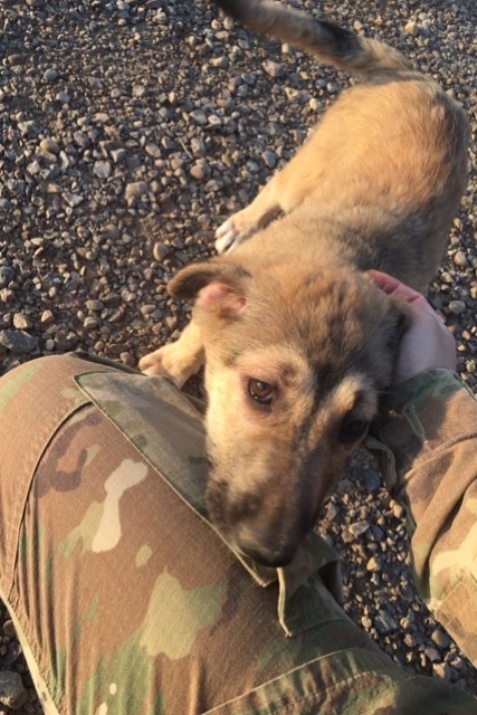
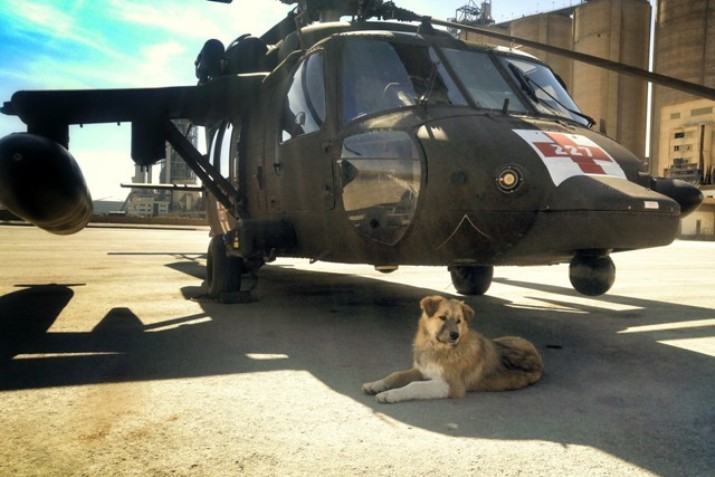
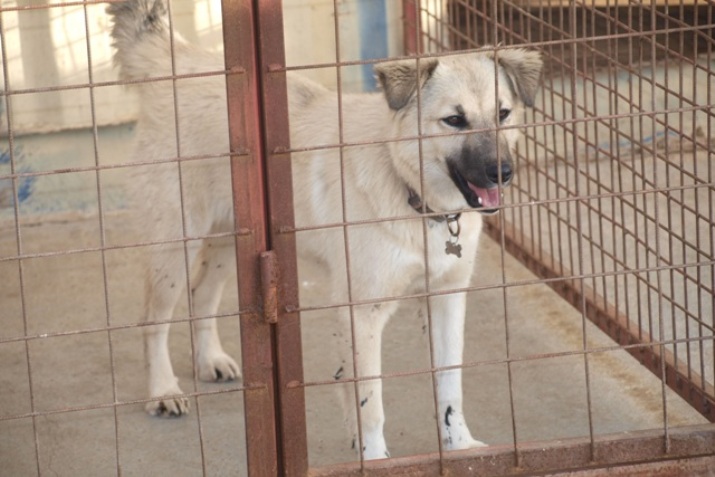
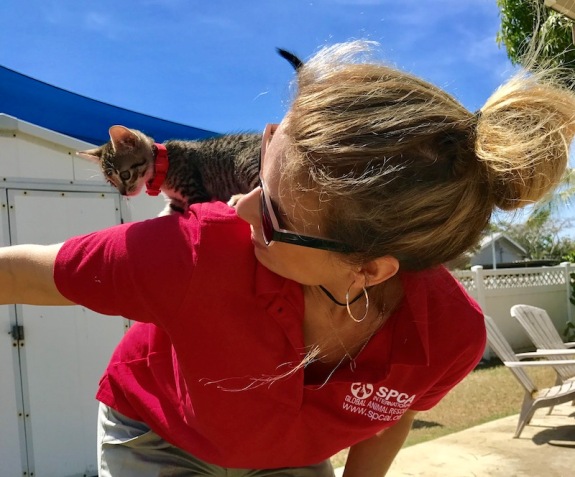
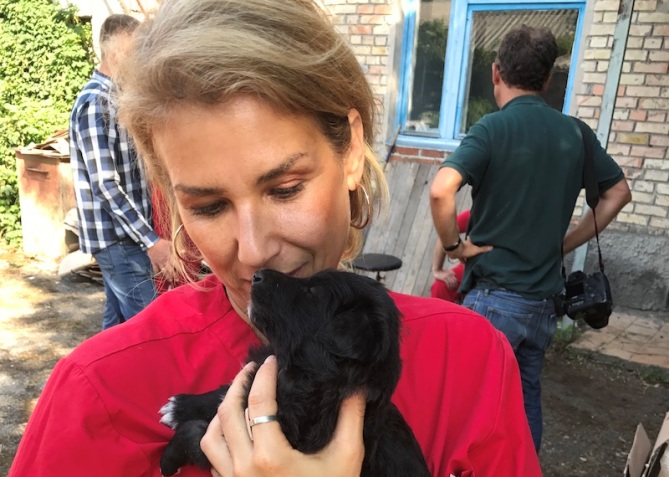
1. Wet noses

2. Furry faces
3. Warm cuddles
4. Happy tails
5. Soft purrs
6. Sloppy kisses
7. Sandpaper tongues
8. Those who support animal rescuers all around the world
By Emma Koeniger, Content and Digital Media Coordinator
The 2017 hurricane season has brought the most major hurricanes since 2010. Breaking records from rainfall to accumulated cyclone energy, the devastation wrought by these hurricanes has been immense. From Texas to Puerto Rico, animals and people were left without food or shelter; their homes destroyed by flooding and powerful wind.
Hurricane Irma, the strongest hurricane recorded in the Atlantic Ocean outside of the Gulf of Mexico and the Caribbean Sea, made landfall in Florida on September 10th as a Category 4 hurricane As it traveled through the state, Irma left thousands without power, access to clean water, and many without shelter. Among the displaced, hundreds of animals were abandoned as Irma approached, leaving shelters like the Humane Society of St. Lucie County (HSSLC) at full capacity.
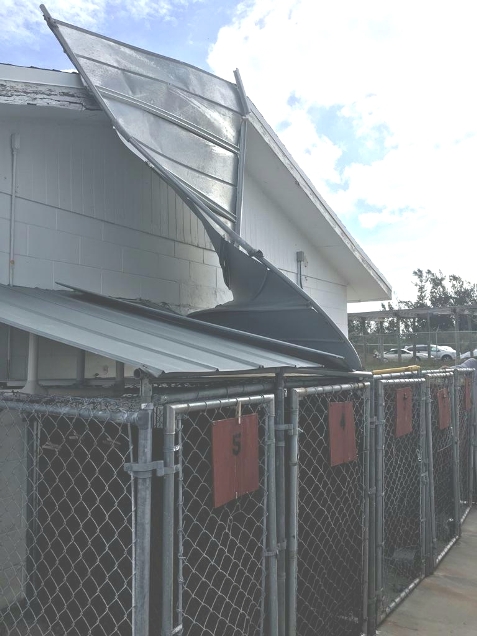
As Irma barreled towards HSSLC they braced for impact as best they could and pulled through without any injuries to their staff or the animals in their care. However, their facilities were left battered and uninhabitable. David Robertson, the Director of Administration at HSSLC wrote to SPCAI:
“The Humane Society of St. Lucie County received damage to many areas of its shelter as a result of Hurricane Irma. Fortunately, no animals were injured. However, damage to kennels, screened enclosures, drainage systems and fencing of exercise yards is significant in areas. We have many downed trees and large amounts of debris that can be can be handled in-house, however other tasks and repairs will require hiring professionals, such as plumbers, fencing experts, and possibly roofers, which can be costly. Metal kennel roofs were bent back like they were tin foil and some blew completely off. With so much standing water, fixing screens to avoid mosquitoes potentially carrying heartworm is a critical concern. Additionally, sewage drains backing up and overflowing are [also] immediate and critical concerns. “
After receiving Mr. Robertson’s email our team jumped into action, issuing a Disaster Relief Fund grant to HSSLC to enable them to afford all repairs needed for their shelter.
The Humane Society of St. Lucie County is not alone; many other shelters share a similar story after hurricanes Harvey, Irma and Maria. Through SPCA International’s Disaster Relief Fund shelters in Texas, Florida, Saint Martin, Puerto Rico, and the Dominican Republic are able to begin the rebuilding process and continue to care for the animals that desperately need them.
by Stephanie Scott, SPCAI staff
For years I wondered why the season of giving is kicked off by a day called Black Friday. There is nothing merry or bright about spending hours in line just to elbow your way past your neighbors hoping you score the best deal. But six years ago, my dismay was eased by the launch of Giving Tuesday. Finally, there is a way to start your holiday season off right: by joining a crusade of philanthropists all giving to charity on the same day.
Giving Tuesday is a global day of giving fueled by the power of social media and collaboration. Its purpose is to celebrate and encourage giving. It is a new holiday tradition and a movement in its own right.
Join us to celebrate #GivingTuesday on November 28th, 2017 by planning to include SPCA International in the gifts you make on that day. I hope you will plan to make donations to many of your favorite charities. If you start your holiday season with acts of generosity, you might just find this is the best holiday season yet.
By Lori Kalef, Program Manager
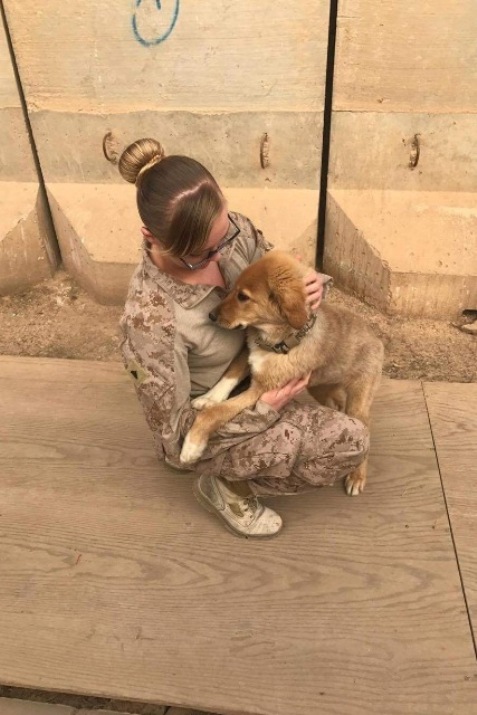
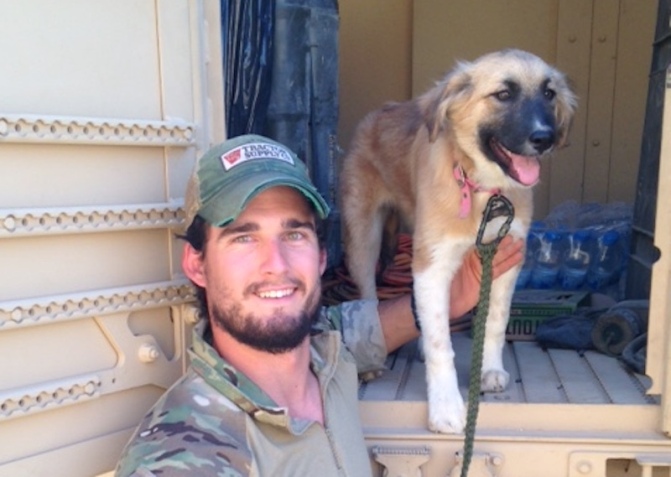
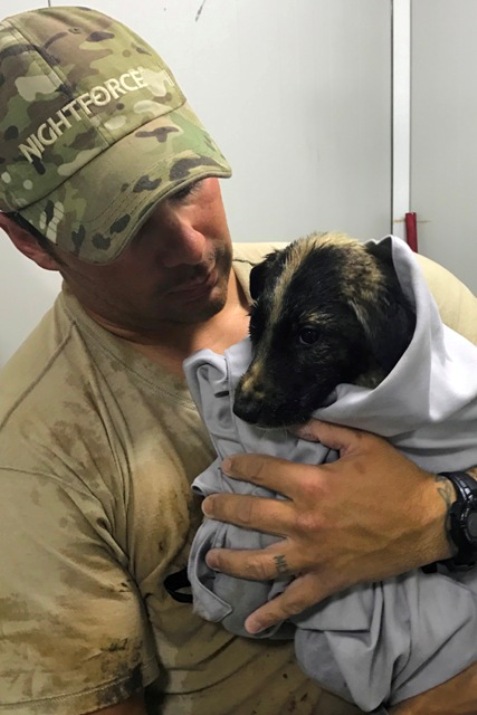
With an overwhelming number of rescue requests coming into our Operation Baghdad Pups: Worldwide program and many moving pieces to consider for each rescue, our team is often working around the clock to save lives. On a moment’s notice things can change, and if we don’t act right away it can mean life or death for one of these beloved four-legged war buddies.
Each application we receive describes a compelling bond and a story of how our heroic service members came to rescue their dog or cat often, from very hostile situations. It is without a doubt that each account of how these animals were saved by our service members astounds us to the core; however, there always that one that will forever be etched in our hearts and minds.
When you work in animal welfare, you are privy to the most horrendous cases of abuse. One who is not so immersed in the field can often think about animal cruelty as a vague and undefined concept, without fully appreciating what those words mean. That is until you read what I’m about to tell you.
Lucky, aptly named, was found in an evacuated terrorist building in Syria by a group of U.S. Soldiers. Much to the squadron’s surprise, they looked up to find this beautiful dog suspended from the ceiling, “he was hog-tied with all four paws taped together, snout taped shut, and his throat cut. He was left for dead." The teammates quickly took him down and using their medical training, they were able to save his life. Everyone pitched in to take care of him and soon enough Lucky had become the camp mascot and the team’s lucky charm.
One Soldier wrote, “Lucky survived a horrible experience at the hands of the worst terrorist organization in the world.” And he repaid his saviors by bringing them joy, silliness and a little love to a group of U.S. Soldiers that spend their days on the battlefield. His survival represents the hope that evil organizations such as these will one day be defeated.”
It isn’t difficult to take one look into Lucky’s hopeful and grateful eyes and immediately fall in love. We sure did. Now more than ever, our team is working hard to find new and innovative ways to manage the challenging political climate in the Middle East, where most of our operations are conducted. There is nothing we wouldn’t do to bring this very ‘Lucky’ dog home. Stay connected with our team on social media for more updates on Lucky and the many other OBP: Worldwide dogs and cats waiting to be rescued.